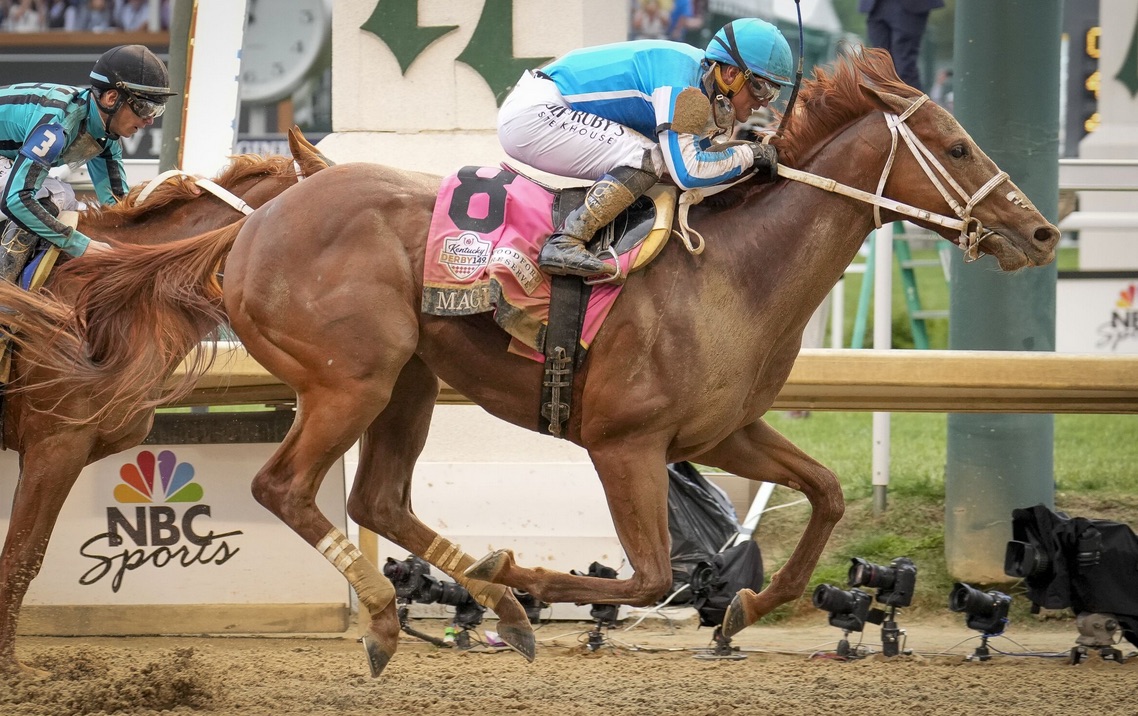
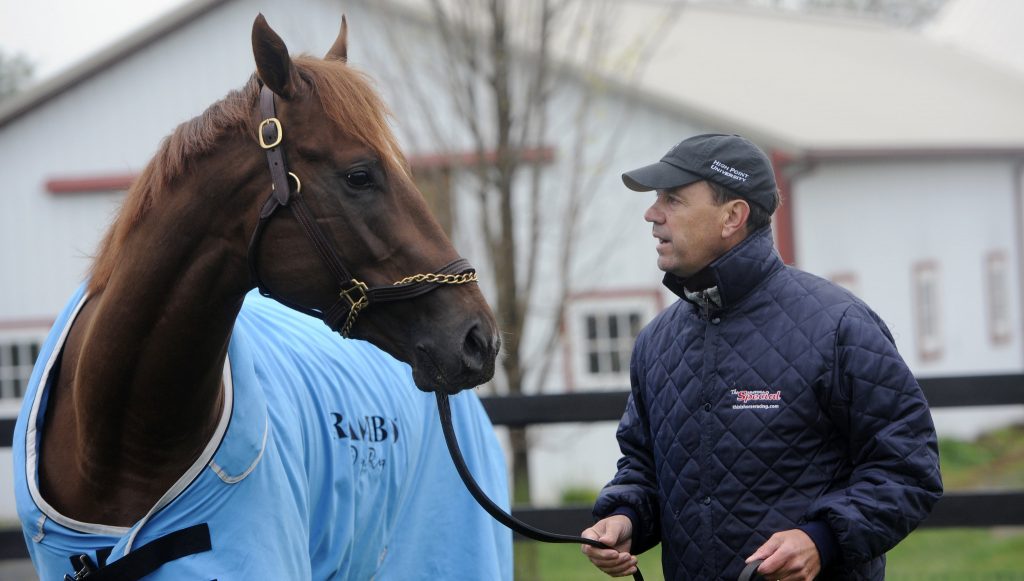
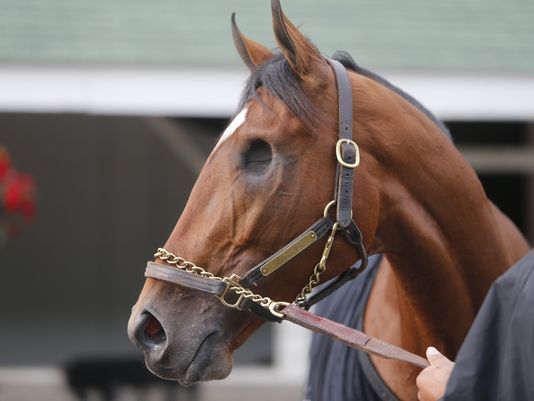
Or National Treasure the Baffert trained colt that would make Baffert the winningest trainer with 8 career wins at Plimlico – he’s been banned from the Derby for two years.
It looks like the rain may hold off and a fast track in NY – not like the Derby or Preakness.
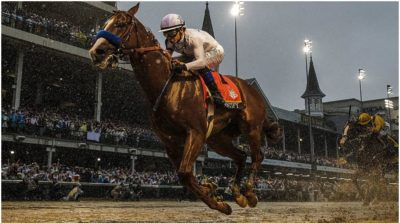
Justify is looking awesome and will be hard to beat. There are a few long shots like Blended Citizen way on the outside. Or maybe Lukas’ Bravazo? Baffert and Lukas another race.
Most of Belmonts winners (23) had #1 post – like Justify.
We will need to watch and find out!
Pick up a little luck and know you’re a sure winner with the Black Stallion.
Bucephalus is another winner and you can take him home today!
www.theBlackStallion.com
Post time: 6:37 p.m. ET
Pre-race coverage: NBC Sports Network, 2:00-5:00 p.m. ET
150th Belmont Stakes: NBC, 5:00-7:00 p.m. ET
Live stream: NBC Sports app
Back from the road and it’s always good to be home!
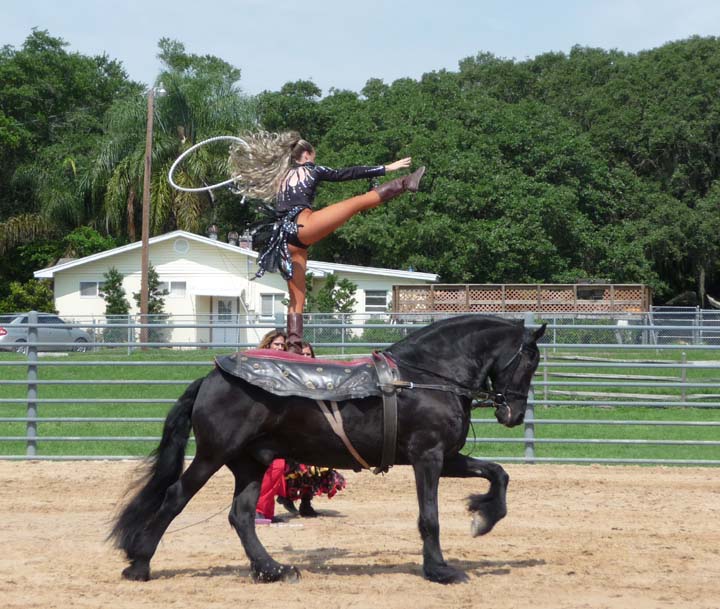
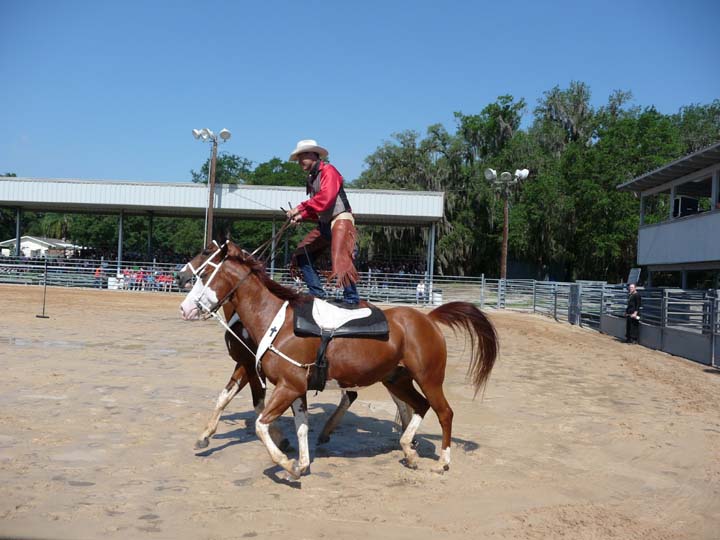
With the wild days of “Wild Horse Tales” (www.HorseTales.org) and all the fabulous stunts the horses and their riders have done over the years – thought we should spend a minute talking about care and safety.
It goes without saying you should know your horse, that you should feed and groom them regularly, have them checked by a vet, and always inspect your tack before and after riding. Maintaining the heath and condition of your horse is important to both of you! Prevention of injury is the most important thing you can do, always. My Dad and I put together a little book about this years ago with his writing and my photos. Still have a few of them for sale if you want to take a look.
If however you do find your self in an emergency and you need to care for an injured horse here are a few tips from our friends at www.animalorthocare.com
4 Tips for Caring for an Injured Horse
Any horse owner who has had to handle an injured horse before will tell you that it can be a challenging ordeal, especially if you have no experience or guidance on the matter. Horses are huge, heavy animals that can do a lot of damage if they fall onto something or accidentally kick an object or person. You don’t want to put yourself in danger or run the risk of worsening the injury by improperly handling or treating the horse, so it’s imperative that you do your research and have the right help on hand to make sure you’re in the best position to provide top-notch care. With that said, here are four things every horse handler should do when they have an injured horse.
1. Seek Veterinarian Assistance and Advice
It’s always best to get a professional opinion on an injury, even if you think it might heal on its own. Try to find a vet that has extensive experience in dealing with horses. If the horse with a severely injured leg or its leg needs to be amputated, you may need to consult with a horse prosthetics specialist to restore the animal’s mobility in the long-term. Regardless of what needs to be done, you’ll feel much better knowing that you’re following the advice of a trained and knowledgeable horse vet instead of going it alone.
2. Be Gentle When Cleaning and Treating Wounds
The reaction you’ll get from a horse will vary greatly depending on the horse’s personality, the extent of the injury, and how well you know and handle the animal. However, as a general rule of thumb, you should try to apply no more than 7-15 pounds of pressure per square inch when cleaning wounds. That’s about the amount of pressure generated by a strong spray bottle. Thus, spraying the wound down and gently patting off the water is the best technique.
3. Approach the Injury Carefully and With Help
Handling an injured horse on your own is never a good idea, and it’s also important that you’re careful about how you approach the horse. If you startle the animal, it could further hurt itself with its reaction or it could respond aggressively and injure you or one of your assistants.
4. Allow for Adequate Rest
Last but definitely not least, giving the horse adequate time to rest and heal is essential. Although walking and other forms of physical therapy may eventually be necessary, in the beginning, sufficient rest should be the primary focus.
Keep Close Watch for Troublesome Symptoms
Finally, once you’ve done all of the above, it’s important to follow up with a vet as necessary. If the horse begins showing any signs of infection or other serious symptoms such as fever, fainting, strange behavior, or lethargy, try to have an emergency vet visit organized as soon as possible. Addressing problems as they arise will prevent the horse from having to deal with an injury that is aggravated or worsened due to postponed treatment.
Will it be Irish War Cry, Always Dreaming or will rain spoil the dream?
Could it be the sentimental favorite – that one eyed long shot on the outside PATCH?
You’ll need to watch to know!